
By Admin
20 November, 2026
Hello Reader!
Welcome to the blog page of SH Binayak Hospital, one of the best multispeciality hospital in North Kolkata.
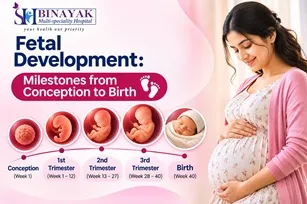
Pregnancy is one of the most remarkable journeys of human life. From the moment fertilization takes place, a series of extraordinary biological changes begin, transforming a single cell into a fully developed baby. Every week brings new milestones in growth, organ formation, movement, and development as the baby prepares for life outside the womb.
Understanding Fetal Development helps expectant parents appreciate how their baby grows throughout pregnancy, recognize the importance of prenatal care, and make informed decisions about maternal health. Regular antenatal check-ups, proper nutrition, healthy lifestyle habits, and timely medical guidance all play an important role in supporting a healthy pregnancy.
At SH Binayak – Best Multispeciality Hospital in North Kolkata, understanding pregnancy milestones can help parents feel more confident, informed, and prepared throughout this beautiful journey.
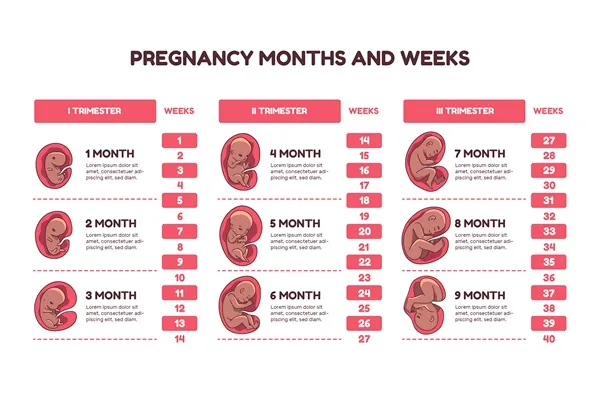
Pregnancy generally lasts around 40 weeks, calculated from the first day of the mother’s last menstrual period (LMP), rather than the exact date of conception. It is divided into three trimesters, each representing a different phase of growth and development.
Each stage of Fetal Development brings important changes, and although developmental milestones follow a general pattern, they may vary slightly from one pregnancy to another.
The first trimester is a crucial period because the foundation of the baby’s major organs, brain, spinal cord, and body structures is established. Many of these changes happen before the mother even realizes she is pregnant.
The pregnancy timeline begins with the first day of the menstrual period. During this time, the body prepares for ovulation, when an egg is released from the ovary.
Although these weeks are included in the pregnancy calculation, conception generally occurs around the second week, depending on the menstrual cycle. This timing is important for understanding how doctors calculate pregnancy duration and estimate the due date.
Fertilization occurs when a sperm cell successfully joins with an egg, usually in the fallopian tube. This creates a single cell called a zygote, containing genetic material from both parents.
The zygote begins dividing into multiple cells while moving toward the uterus. These early cell divisions mark the beginning of the remarkable journey of Fetal Development.
The developing cell cluster reaches the uterus and becomes a blastocyst, which attaches to the uterine lining in a process called implantation.
The cells begin differentiating into structures that will form the embryo and contribute to the placenta. The placenta will eventually provide oxygen and nutrients to the growing baby while helping remove waste products.
During the fifth week of pregnancy, the embryo develops rapidly. The brain, spinal cord, heart, and early blood vessels begin forming.
The three primary cell layers start developing, which will eventually give rise to different organs and tissues of the body. Pregnancy hormones also rise significantly during this period, which may lead to symptoms such as nausea, fatigue, breast tenderness, and frequent urination.
The neural tube, which develops into the brain and spinal cord, is undergoing important changes. Early structures of the eyes, ears, and facial features begin to develop.
The heart is forming, and early cardiac activity may be detected on an ultrasound in some pregnancies, depending on the exact timing and type of scan.
The baby’s brain is growing rapidly, and facial structures are becoming more defined. Tiny arm and leg buds begin developing, which will later become the limbs.
The embryo remains very small, but the processes occurring during this stage are essential for the development of the nervous system, skeletal structure, and organs.
By the eighth week, the developing arms and legs are becoming more distinct. Fingers and toes begin to form, while the nose, upper lip, and ears become more recognizable.
The embryo’s body starts becoming straighter, and several major organ systems are continuing their development.
At approximately nine weeks after fertilization, the developing baby is termed a fetus. The head remains relatively large compared with the body, but facial features become increasingly defined.
During these weeks:
By the end of the first trimester, the baby has a recognizable human form, and the foundation of most major organs has been established. These organs will continue growing and maturing throughout the rest of the pregnancy.
This early stage of Fetal Development is particularly important, making timely pregnancy confirmation, prenatal consultation, and appropriate supplementation essential.
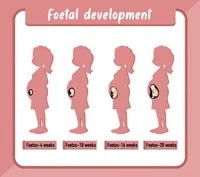
The second trimester is often a more comfortable period for many pregnant women. Early pregnancy nausea and fatigue may improve, while the baby begins growing more rapidly. The mother may start feeling fetal movements, commonly known as quickening.
During this phase, the baby’s bones strengthen, muscles develop, facial features become more prominent, and sensory abilities gradually begin to mature.
The baby’s bones begin hardening, particularly in the skull and long bones of the arms and legs. The neck becomes more defined, and the eyes and ears gradually move toward their proper positions.
The baby begins making more coordinated movements, although they may not yet be noticeable to the mother. The scalp hair pattern also begins developing, and the skin remains relatively thin.
The baby’s movements become increasingly active. Some mothers begin feeling gentle flutters, while others may notice movement a little later.
The digestive system starts functioning, and the baby begins swallowing amniotic fluid. The ears are developing, and the baby may begin responding to certain sounds as hearing develops.
A protective coating called vernix caseosa starts covering the skin. This waxy substance helps protect the baby’s delicate skin from prolonged exposure to amniotic fluid.
Around this period, many parents experience the excitement of feeling the first fetal movements.
Fetal movements become stronger, and the baby may kick, turn, stretch, and move more frequently. The sucking reflex is developing, and the baby may suck their thumb.
Fingerprints and footprints begin forming as ridges develop on the palms and soles. The skin appears thin and wrinkled, and the baby begins accumulating fat beneath it.
The lungs are also undergoing important development. They begin producing surfactant, a substance that helps the air sacs remain open during breathing after birth.
During the later part of the second trimester, the baby becomes more responsive to sounds and may react to loud noises with movements.
The eyelids begin opening and closing around this period, while the nervous system continues maturing. The baby gains fat, making the skin appear smoother and less wrinkled.
The lungs are developing further, but they are still immature. Babies born very prematurely at this stage may require specialized neonatal intensive care.
The second trimester represents a major phase in Fetal Development, when the baby transitions from early organ formation to increasing complexity, movement, and functional maturation.
The third trimester is the final stage of pregnancy. During these weeks, the baby undergoes significant weight gain, brain development, lung maturation, and changes that prepare for birth and life outside the womb.
The baby’s movements may feel stronger, although the type of movement can change as space inside the uterus becomes more limited.
The baby continues to develop important brain connections, and the nervous system becomes better able to regulate certain body functions.
The eyes can open and close, and the baby may respond to changes in light. Breathing movements may be seen on ultrasound, although the baby is still receiving oxygen through the placenta rather than breathing air.
Rapid fat accumulation begins, helping regulate body temperature after birth. The bone marrow becomes increasingly responsible for producing red blood cells.
The baby’s bones continue hardening, while the skull remains relatively soft and flexible to help during delivery.
The arms and legs become fuller as fat accumulates. Fingernails may reach the tips of the fingers, and the soft body hair called lanugo gradually decreases.
Many babies begin moving into a head-down position in preparation for birth, although some may remain breech or change position later.
In the final weeks, the baby continues gaining weight and developing the systems needed for life outside the uterus.
Important changes include:
By the end of pregnancy, the baby’s organs and body systems have undergone significant maturation. However, brain and other developmental processes continue after birth as the newborn adapts to the outside environment.
The final weeks are a vital part of Fetal Development, and regular antenatal monitoring helps assess the baby’s growth, position, and overall well-being as delivery approaches.

The placenta and umbilical cord play a crucial role throughout pregnancy. They act as the baby’s connection to the mother’s body, supporting growth and development.
The placenta develops inside the uterus and acts as an interface between maternal and fetal circulation. It supplies oxygen and nutrients to the baby while helping remove carbon dioxide and waste products.
It also produces hormones that support pregnancy and help maintain the uterine environment necessary for the baby’s growth.
The umbilical cord connects the baby to the placenta. It contains blood vessels that transport oxygen and nutrients to the baby and carry waste products away.
Healthy placental function and blood flow are essential for normal growth. Conditions affecting the placenta, maternal blood pressure, or other aspects of pregnancy may sometimes interfere with fetal growth, which is why prenatal monitoring is important.
Although every baby follows a natural developmental pattern, several maternal and environmental factors can influence growth and development during pregnancy.
A balanced diet containing proteins, iron, folic acid, calcium, vitamins, and other essential nutrients supports the baby’s growth and organ development.
Nutritional deficiencies may affect maternal health and fetal growth, which is why appropriate dietary guidance is important.
Folic acid is particularly important during early pregnancy because it helps support the development of the neural tube, which forms the brain and spinal cord.
Taking folic acid before conception and during early pregnancy, as recommended by a healthcare professional, helps reduce the risk of neural tube defects.
Alcohol, tobacco, recreational drugs, and certain medications can negatively affect fetal development. Pregnant women should avoid alcohol and smoking and consult their doctor before taking any medicines, supplements, or herbal products.
Conditions such as diabetes, hypertension, thyroid disorders, and certain autoimmune diseases may require careful management during pregnancy.
Maintaining appropriate control of these conditions can help reduce pregnancy complications and support the baby’s healthy development.
Regular antenatal appointments allow healthcare professionals to monitor maternal health, assess fetal growth, check the heartbeat when appropriate, and identify potential complications.
Ultrasound examinations and other investigations are recommended at specific stages to evaluate fetal anatomy, growth, placenta, and pregnancy progress.
Also Read: How Does Ophthalmology Protect Your Vision?
Monitoring the baby at different stages of pregnancy is essential for ensuring maternal and fetal well-being. Prenatal care helps healthcare professionals evaluate whether the baby is growing appropriately and whether the pregnancy is progressing as expected.
Regular pregnancy check-ups may help with:
At SH Binayak – Best Multispeciality Hospital in North Kolkata, expectant mothers should prioritize regular antenatal consultations and follow their healthcare professional’s recommendations regarding scans, blood tests, and pregnancy monitoring.
Prompt medical assessment is important if a pregnant woman experiences vaginal bleeding, fluid leakage, severe abdominal pain, severe headache, visual changes, or a noticeable decrease in the baby’s usual movements later in pregnancy.
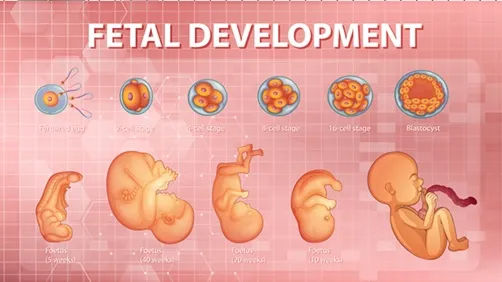
Development begins immediately after fertilization, when the sperm and egg unite to form a zygote. The cells begin dividing, and the developing embryo eventually implants in the uterine lining. The earliest stages are crucial for the formation of the brain, heart, and other major organs.
Early cardiac activity generally begins around the sixth week of pregnancy, though the exact timing of detection can vary. An ultrasound may detect cardiac activity depending on the pregnancy’s age, the scan type, and individual variation.
Many mothers begin feeling movements between 16 and 24 weeks of pregnancy. First-time mothers may notice them closer to 20 weeks, while women who have been pregnant before may recognize them earlier.
All three trimesters are important. The first trimester is particularly critical for major organ formation, the second trimester focuses on growth and functional development, and the third trimester involves substantial weight gain and maturation of the brain, lungs, and other systems.
Prolonged or severe stress may influence maternal health and is associated with certain pregnancy risks. Pregnant women should seek support, maintain healthy routines, get adequate rest, and discuss persistent stress or anxiety with their healthcare provider.
Parents can support healthy pregnancy outcomes by maintaining a balanced diet, taking prescribed prenatal supplements, avoiding alcohol and tobacco, staying physically active as advised, managing existing health conditions, and attending regular prenatal check-ups.
The journey from conception to birth is a remarkable process involving countless changes, from the formation of a single cell to the development of a baby ready to enter the world. Each trimester brings its own milestones, including organ formation, sensory development, fetal movement, brain maturation, and preparation for birth.
Understanding Fetal Development empowers parents to take an active role in pregnancy care. A healthy lifestyle, adequate nutrition, timely medical guidance, and regular prenatal monitoring are important throughout all stages of pregnancy.
At SH Binayak – Best Multispeciality Hospital in North Kolkata, we believe that informed parents and appropriate medical care are important parts of a healthy pregnancy journey. Every pregnancy is unique, and personalized medical supervision can help mothers navigate the different stages with greater confidence and reassurance.
Why Is High Creatinine Risky? A Kidney Health Guide
12 September, 2026

Why Is Geriatric Medicine Vital for Holistic Senior Health?
14 February, 2026

Why Do Children and Seniors Get Constipation?
13 May, 2026