By Admin
15 June, 2026
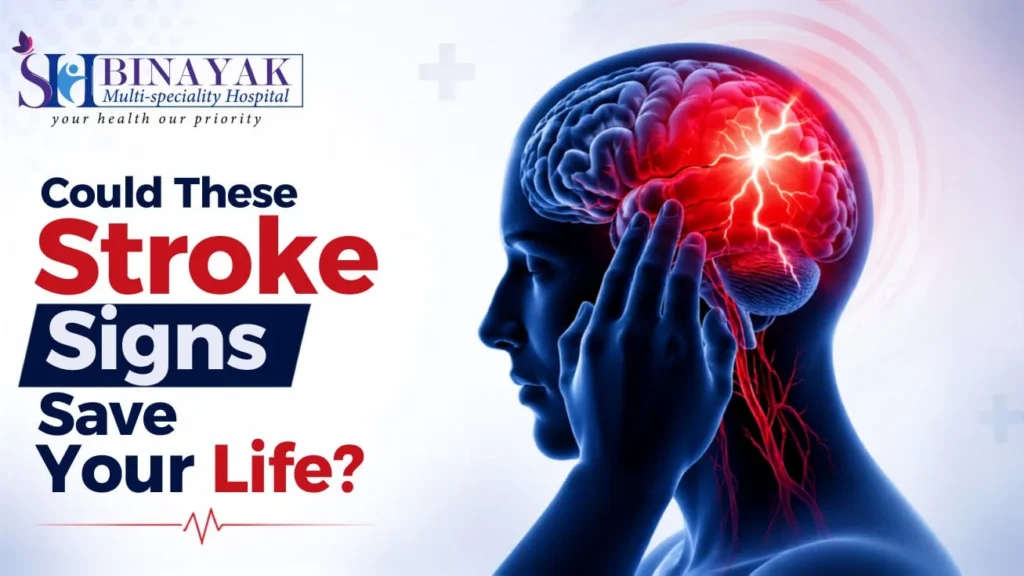
A stroke is a serious medical emergency that happens when the brain’s blood supply is disrupted.
Recognizing symptoms early and seeking immediate treatment can significantly improve recovery outcomes. Understanding causes, risk factors, diagnosis, treatment options, and prevention strategies helps individuals reduce stroke risk and protect long-term brain health and overall quality of life.
Stroke remains a major cause of death and long-term disability across the globe. Prompt treatment at the Best Cardiology Hospital in North Kolkata or a best multispeciality hospital in North Kolkata can greatly enhance recovery and improve survival chances. Understanding stroke symptoms, causes, diagnosis, treatment, and prevention empowers individuals to act quickly during emergencies and reduce long-term health complications.
A stroke occurs when blood supply to a part of the brain is blocked or when a blood vessel in the brain ruptures. Without oxygen and nutrients, brain cells begin to die within minutes. Immediate medical intervention is critical to minimize brain damage and improve recovery.
What Is a Stroke and How Can It Be Prevented?
A stroke occurs when blood flow to the brain is interrupted by a blockage or bleeding. Prevention includes controlling blood pressure, managing diabetes, maintaining healthy cholesterol levels, exercising regularly, avoiding smoking, limiting alcohol consumption, and undergoing regular health checkups.
This is the stroke type seen most frequently.
Occurs when a blood vessel ruptures inside the brain.
Often called a mini-stroke.
A TIA should never be ignored because it often precedes a major stroke.
A person may experience facial drooping or numbness on one side of the face.
Difficulty lifting one or both arms.
Slurred speech or inability to communicate clearly.
Immediate medical attention is critical.
| FAST Sign | Meaning |
| F | Face Drooping |
| A | Arm Weakness |
| S | Speech Difficulty |
| T | Time to Seek Emergency Care |
The leading cause of stroke worldwide.
Heart conditions can increase clot formation.
Irregular heartbeat significantly raises stroke risk.
Damages blood vessels over time.
Contributes to arterial blockage.
Risk increases after age 55.
Genetic factors can contribute.
Both men and women are affected.
History of stroke increases recurrence risk.
Early diagnosis allows doctors to determine the best treatment approach.
Doctors assess neurological function.
Risk factors and symptoms are evaluated.
Detects bleeding and brain damage.
Provides detailed brain imaging.
Checks artery narrowing.
Evaluates heart-related causes.
Identify underlying conditions.
Administered within a specific time window.
Physically removes the clot.
Reduces further bleeding.
May be required for severe cases.
Recovery often requires multidisciplinary care.
Helps restore movement and balance.
Improves daily living skills.
Addresses communication difficulties.
Supports emotional recovery.
Regular monitoring is essential.
Follow medical advice and dietary recommendations.
Proper blood sugar control lowers risk.
Aim for at least 150 minutes weekly.
Smoking significantly increases stroke risk.
Moderation is important.
Practice relaxation techniques regularly.
| Risk Factor | Prevention Strategy |
| High Blood Pressure | Regular monitoring and medication |
| Diabetes | Blood sugar control |
| Smoking | Smoking cessation |
| Obesity | Healthy diet and exercise |
| High Cholesterol | Lifestyle changes and treatment |
| Physical Inactivity | Daily physical activity |
| Heart Disease | Regular cardiac care |
| Excessive Alcohol | Moderation |
Many strokes originate from cardiovascular conditions.
Regular heart screenings can help detect problems before a stroke occurs.
Every minute counts during a stroke emergency.
I S.H Binayak, led by Bikram Singh Binayak, focuses on comprehensive healthcare services, including emergency care, cardiac evaluations, neurological assessments, preventive screenings, rehabilitation support, and patient-centered treatment approaches. Timely diagnosis, multidisciplinary expertise, and advanced medical infrastructure play a crucial role in managing stroke risks and improving patient outcomes through evidence-based healthcare practices. learn from best multispeciality hospital in North Kolkata
Stroke is a life-threatening medical emergency that requires immediate attention. Recognizing symptoms early, understanding risk factors, and adopting preventive measures can significantly reduce stroke incidence. Regular health screenings, blood pressure management, heart health monitoring, and healthy lifestyle habits are essential for prevention. Consulting the Best Cardiology Hospital in Kolkata or a private hospital in Baranagar for routine evaluations can help protect brain and cardiovascular health while ensuring timely intervention when needed.
What are the earliest symptoms of a stroke?
The first sign of a stroke is often sudden weakness, facial drooping, speech difficulty, or numbness on one side of the body. Immediate medical attention is essential.
What causes a stroke?
A stroke occurs when blood flow to the brain is blocked by a clot or when a blood vessel ruptures, causing bleeding within the brain.
Can stroke be prevented?
Yes. Most strokes can be prevented through healthy lifestyle choices, blood pressure control, diabetes management, smoking cessation, and regular medical checkups.
How quickly should stroke treatment begin?
Treatment should begin immediately. The earlier treatment starts, the greater the chances of reducing brain damage and improving recovery.
Is high blood pressure the biggest stroke risk factor?
Yes. High blood pressure is considered the most significant modifiable risk factor for stroke and should be carefully managed.
What foods help prevent stroke?
Fruits, vegetables, whole grains, fish, nuts, legumes, and foods rich in antioxidants support cardiovascular and brain health and may help reduce stroke risk.
Can young people get strokes?
Yes. Although stroke risk increases with age, younger adults can also experience strokes due to genetic factors, heart conditions, lifestyle habits, or underlying medical disorders.
What is the FAST test for stroke?
FAST stands for Face Drooping, Arm Weakness, Speech Difficulty, and Time to Call Emergency Services. It helps identify stroke symptoms quickly.

Why Is Geriatric Medicine Vital for Holistic Senior Health?
14 February, 2026
Why Do Children and Seniors Get Constipation?
13 May, 2026

Why Are You Forgetting Things So Easily?
27 April, 2026