
By Admin
13 October, 2025
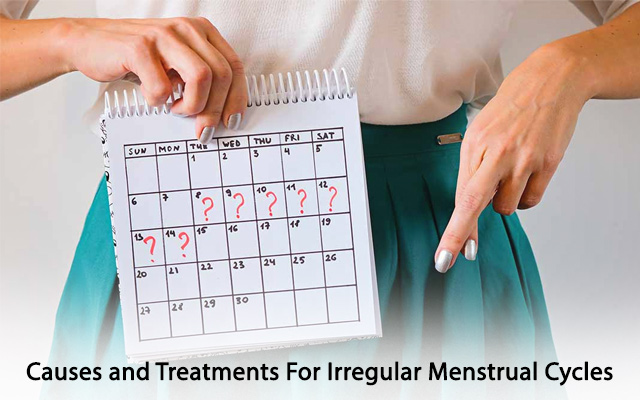
An irregular menstrual cycle refers to any deviation from a woman’s regular menstrual pattern, whether it’s changes in the frequency, duration, or intensity of periods. Learning the causes and available treatments can help women manage their menstrual health. Here, we will discuss the common causes of irregular menstrual cycles and the treatments that can help regulate them.
Hormonal fluctuations are one of the leading causes of irregular periods. The menstrual cycle is regulated by hormones, and any imbalance can disrupt the cycle. Conditions such as polycystic ovary syndrome (PCOS), thyroid disorders, and perimenopause can all lead to hormonal irregularities, which may result in missed, delayed, or unusually heavy periods.
Physical or emotional stress can significantly affect the menstrual cycle. Stress triggers the release of cortisol, which can interfere with the production of reproductive hormones such as estrogen and progesterone. This disruption can cause delayed or missed periods, as well as changes in period intensity.
Major weight loss or gain may impact one’s hormone levels and, in turn, menstrual regularity. Low body fat due to excessive exercise or eating disorders can lead to absent periods, while obesity may cause irregular cycles or heavier periods due to an overproduction of estrogen.
Intense physical activity, especially when paired with low body fat, can interfere with the body’s hormonal balance and disrupt the menstrual cycle. Women who are athletes or engage in strenuous exercise routines may experience amenorrhea (absence of periods) or irregular cycles.
Certain medications, like birth control pills, antidepressants, and chemotherapy drugs, can affect the menstrual cycle. Birth control pills and hormonal contraceptives may cause lighter or missed periods, while medications like antidepressants can disrupt hormone levels and result in irregular periods.
Chronic health conditions like diabetes, celiac disease, and endometriosis can also affect menstrual regularity. These conditions may cause inflammation, hormonal imbalances, or other disruptions that impact the menstrual cycle.
Irregular periods are common during pregnancy, particularly in the early stages, and may also occur during breastfeeding due to hormonal shifts. Postpartum women may experience a period of irregularity as their body returns to its pre-pregnancy hormonal balance.
Hormonal contraceptives, like birth control pills, patches, or IUDs, are commonly prescribed to regulate the menstrual cycle. These medications help balance hormones and can make periods more predictable, lighter, and less painful.
Maintaining a healthy weight and managing stress levels can significantly improve menstrual regularity. Regular exercise, balanced nutrition, and stress-reduction techniques like yoga, meditation, and deep breathing exercises can help balance hormones and restore regular periods.
If an underlying condition, such as PCOS or thyroid disorders, is causing irregular periods, medications like thyroid hormone replacement or fertility treatments can help address the hormonal imbalance. For women with PCOS, drugs like Metformin may help regulate ovulation.
In cases where a physical condition, such as endometriosis or uterine fibroids, is causing irregular periods, surgery may be required. Surgical treatments can remove cysts, fibroids, or endometrial tissue to help restore normal cycles.
You can book a consultation at our gynecology hospital in Dumdum, Kolkata to find the best approach to regulate your menstrual cycles and improve your overall well-being.

Why Is Geriatric Medicine Vital for Holistic Senior Health?
14 February, 2026

What to Expect Before and After Cancer Surgery?
8 October, 2025

What is the Significance of Cancer Staging?
8 October, 2025