
By Admin
12 September, 2026
Hello Reader!
Welcome to the blog page of SH Binayak, one of the Best Multispeciality Hospital in North Kolkata.
In today’s fast-paced lifestyle, convenience often comes before nutrition. Packaged snacks, instant meals, sugary beverages, processed meats, ready-to-eat foods, packaged breads, and other convenience products have become a regular part of many people’s diets. While these foods may save time, growing research suggests that consuming large amounts of Ultra-Processed Foods may have serious consequences for cardiovascular health.
A recent 2026 study presented at the American College of Cardiology’s Annual Scientific Session found that people consuming approximately nine servings of Ultra-Processed Foods per day had a 67% higher risk of experiencing a major cardiovascular event compared with those consuming around one serving per day. Major events included outcomes such as non-fatal heart attack, stroke, coronary heart disease or stroke-related death, and resuscitated cardiac arrest.
The findings highlight an important message: what we eat regularly can have a significant impact on our long-term Heart Risk.
Importantly, the study shows an association between high intake of Ultra-Processed Foods and cardiovascular events; it does not prove that these foods alone directly cause heart attacks or strokes. Nevertheless, it adds to a growing body of evidence linking high consumption of heavily processed foods with poorer cardiovascular health.
For people looking to protect their heart, understanding Ultra-Processed Foods, their potential effects and practical ways to reduce their intake can be an important step toward lowering preventable Heart Risk.

Not all processed food is unhealthy.
Processing can include simple methods such as washing, cutting, freezing, drying, fermenting or pasteurising food. Many foods that undergo these processes can still be highly nutritious.
Ultra-Processed Foods, however, are generally industrially formulated products made using multiple ingredients and additives, often with relatively little intact whole food. They are commonly designed to be inexpensive, convenient, highly palatable and long-lasting.
Common examples can include:
The exact classification can vary depending on the food and the classification system used. Therefore, simply seeing the word “processed” on a food label does not automatically mean that a food is unhealthy.
The recent research examined 6,814 adults aged 45 to 84 years who did not have clinically apparent cardiovascular disease at the beginning of the study. Researchers assessed their intake of Ultra-Processed Foods and followed cardiovascular outcomes over time.
Participants in the highest consumption group ate approximately 9.3 servings of Ultra-Processed Foods per day, while those in the lowest group consumed approximately 1.1 servings per day.
Compared with the lowest-consumption group, participants with the highest intake were 67% more likely to experience a major cardiovascular event, including heart attack, stroke, coronary heart disease or stroke-related death, or resuscitated cardiac arrest.
Researchers also reported that every additional daily serving was associated with approximately a 5.1% increase in the risk of an adverse cardiovascular event.
This does not mean that eating one packaged food automatically increases an individual’s personal Heart Risk by a specific percentage. The findings describe differences between groups with substantially different levels of Ultra-Processed Foods consumption.
Nevertheless, the results reinforce the importance of paying attention to dietary patterns rather than focusing only on individual foods.
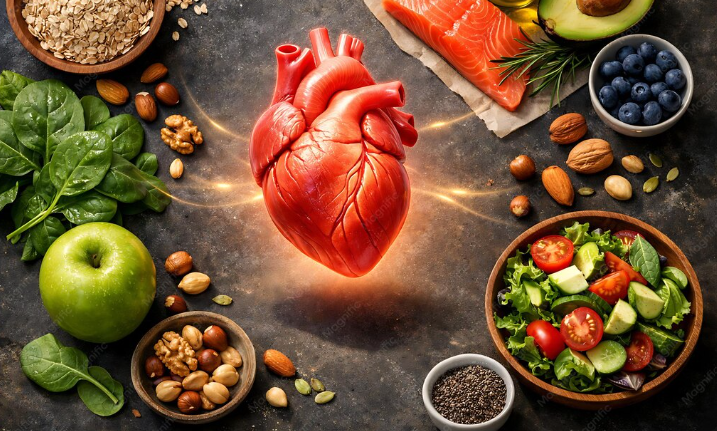
There may be several reasons why a diet high in Ultra-Processed Foods is associated with increased Heart Risk.
Many packaged and convenience foods contain significant amounts of sodium.
Excessive sodium intake can contribute to elevated blood pressure in susceptible individuals. High blood pressure is one of the major risk factors for heart attack, stroke and other cardiovascular complications.
Regularly consuming salty packaged snacks, instant foods, processed meats and ready-made meals may therefore make it more difficult to maintain a heart-friendly diet.
Sugary drinks, desserts, confectionery and several packaged foods can contribute substantial amounts of added sugar to the diet.
Excessive sugar intake can contribute to weight gain and metabolic problems when consumed frequently and in large quantities. Over time, these factors may contribute to conditions that increase Heart Risk.
Replacing sugary beverages with water or unsweetened drinks is a relatively simple dietary improvement.
Some Ultra-Processed Foods contain substantial amounts of saturated fat.
A diet dominated by foods high in saturated fat, refined carbohydrates, sodium and added sugars can contribute to an overall dietary pattern that is less supportive of cardiovascular health.
However, it is important to evaluate the complete dietary pattern rather than blaming a single nutrient or individual food.
Many highly processed snack foods contain considerably less fibre than whole or minimally processed foods such as vegetables, fruits, legumes and whole grains.
Fibre is an important component of a heart-healthy diet. Replacing packaged snacks with fruits, vegetables, nuts, seeds or legumes can increase the nutritional quality of the overall diet.
Many Ultra-Processed Foods are highly palatable and easy to consume quickly.
Because they are convenient and require little preparation, it can be easy to eat larger quantities than intended. Frequent excess calorie consumption can contribute to weight gain and obesity, both of which can increase cardiovascular risk.
Another concern is what Ultra-Processed Foods replace.
If packaged snacks, sugary drinks and ready-made foods regularly replace vegetables, fruits, pulses, whole grains, nuts and other nutrient-rich foods, the overall quality of the diet may decline.
In other words, the problem may not only be what you are adding to your diet but also what you are leaving out.
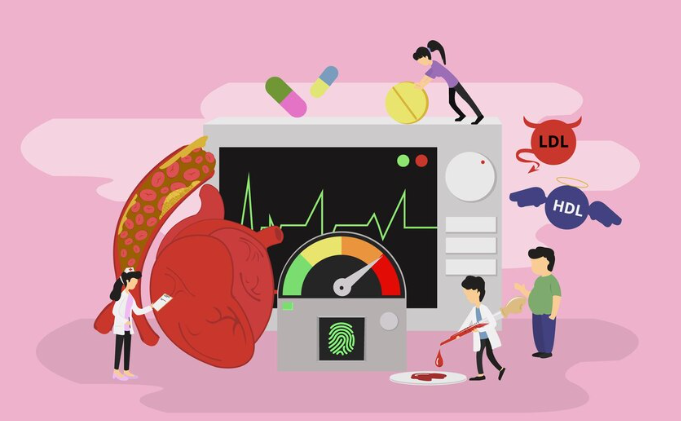
Blood pressure plays a major role in determining long-term Heart Risk.
A diet high in sodium and low in nutrient-rich foods can make blood-pressure management more difficult, particularly in people who are salt-sensitive or already have hypertension.
Many packaged foods can contain considerable amounts of sodium even when they do not taste extremely salty.
For people with high blood pressure, diabetes, kidney disease or an existing cardiovascular condition, dietary choices should be discussed with a qualified healthcare professional.
Cholesterol is another important component of cardiovascular health.
Certain diets that contain large quantities of processed foods, saturated fats and calorie-dense snacks may contribute to an unfavourable lipid profile in some individuals.
High LDL cholesterol can contribute to the development of atherosclerosis, in which fatty deposits build up inside arteries.
Over many years, this process can increase the risk of coronary artery disease, heart attack and stroke.
Therefore, controlling cholesterol is an important part of reducing overall Heart Risk.
Also Read: Managing Low Blood Pressure with Simple Remedies
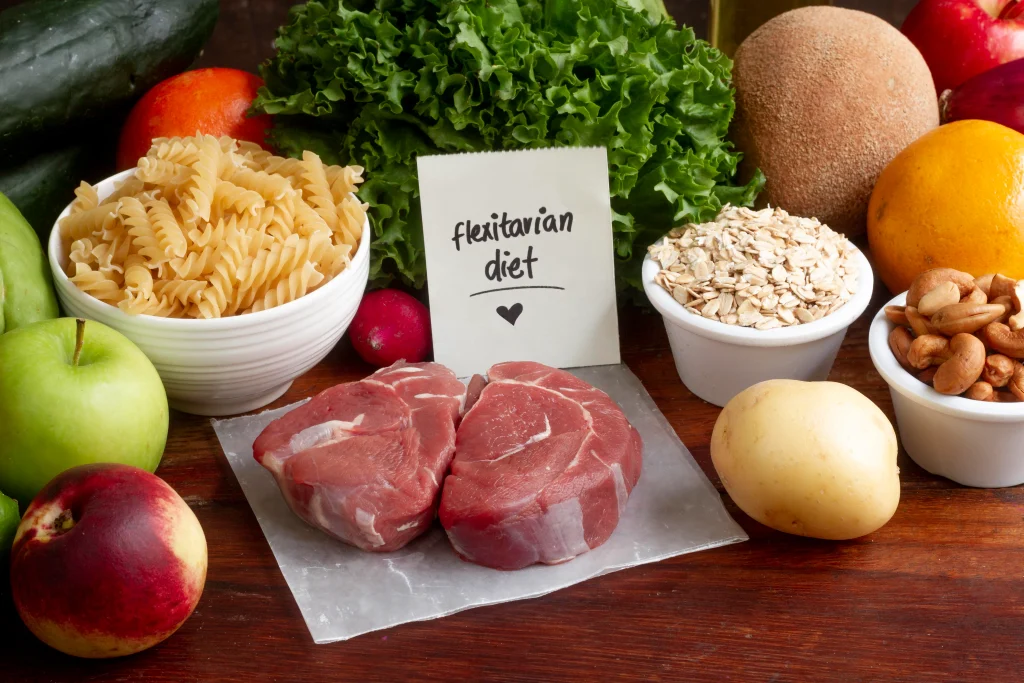
This is an important question.
Being overweight or obese is a recognised cardiovascular risk factor, but body weight is not the only factor that matters.
The 2026 study reported that the association between higher Ultra-Processed Foods consumption and cardiovascular events remained after accounting for factors including calorie intake, overall diet quality, diabetes, high blood pressure, high cholesterol and obesity.
This suggests that simply maintaining a normal body weight does not necessarily eliminate all dietary-related Heart Risk.
However, observational research cannot establish that Ultra-Processed Foods themselves are solely responsible for the increased risk. Other lifestyle and environmental factors may also contribute.
The practical takeaway is not to fear every packaged food, but to avoid allowing Ultra-Processed Foods to dominate your everyday diet.
Completely eliminating every packaged food may not be realistic or necessary.
Instead, focus on gradually improving your overall dietary pattern.
Try to make foods such as these a regular part of your meals:
Instead of regularly consuming soft drinks, energy drinks or heavily sweetened beverages, choose:
When purchasing packaged food, check the nutrition label.
Pay particular attention to:
A long ingredient list does not automatically mean a food is unhealthy, but it can be useful to understand what you are actually consuming.
Home cooking gives you greater control over:
Even replacing a few packaged meals each week with simple home-cooked meals can be a positive step.
No.
This is an important distinction.
Some packaged or processed foods can be nutritious and convenient. For example, frozen vegetables, plain oats, unsalted canned beans and other minimally processed foods can fit into a healthy diet. Experts emphasise that the concern is particularly about heavily formulated Ultra-Processed Foods, not food processing in general.
Therefore, the goal should not be to develop a fear of every packaged product.
Instead, focus on the frequency, quantity and nutritional quality of the foods you consume.
An occasional biscuit, snack or dessert is very different from building your everyday diet around packaged snacks, sugary drinks and ready-to-eat foods.
Dietary changes are important for long-term prevention, but they cannot replace urgent medical attention when symptoms occur.
Seek immediate medical care if you experience symptoms such as:
Heart attack and stroke can be medical emergencies. Do not wait for symptoms to disappear on their own.

Everyone can benefit from a heart-friendly lifestyle, but cardiovascular prevention becomes particularly important for people with risk factors such as:
If you have one or more of these risk factors, speak with a healthcare professional about your individual cardiovascular risk and appropriate screening.
For Indian families, reducing Ultra-Processed Foods does not mean following an expensive or complicated diet.
Traditional meals can often provide an excellent foundation for healthier eating.
Depending on individual health requirements, meals can include vegetables, dal, beans, whole grains, fruits, nuts, seeds and suitable protein sources.
Simple changes can make a difference:
Instead of: Packaged chips
Try: Roasted chana, nuts or fruit
Instead of: Sugary soft drinks
Try: Water or an unsweetened beverage
Instead of: Instant noodles as a frequent meal
Try: A home-cooked meal containing vegetables and protein
Instead of: Packaged sweets every day
Try: Fresh fruit or a smaller portion of a traditional dessert occasionally
The objective is not perfection. The objective is consistency.
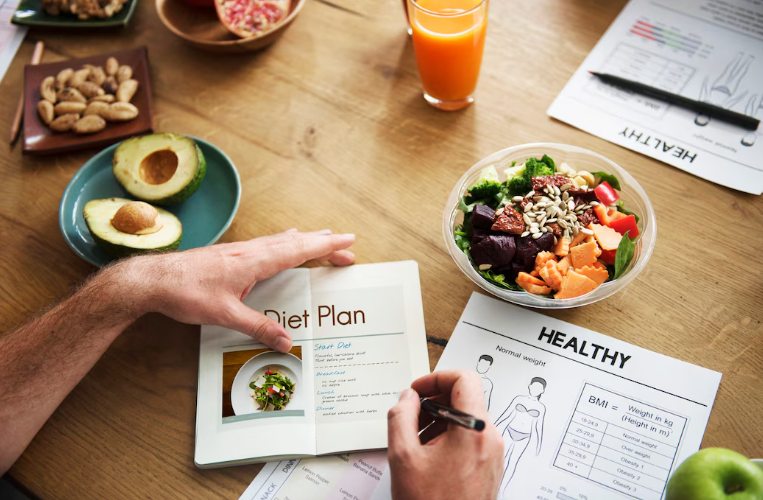
The latest research adds to a growing body of evidence suggesting that higher consumption of Ultra-Processed Foods is associated with cardiovascular problems. Earlier large-scale research has also reported associations between higher Ultra-Processed Foods intake and cardiovascular disease.
The 67% figure therefore deserves attention, but it should be interpreted correctly.
It does not mean that every person who eats Ultra-Processed Foods has a 67% chance of developing heart disease.
It means that, in the particular 2026 study, the group consuming the highest amount of Ultra-Processed Foods had a 67% higher relative risk of major cardiovascular events compared with the group consuming the least.
The broader message is much more practical:
The more often your everyday diet is built around highly processed convenience foods, the more important it becomes to reconsider your dietary habits.
Your heart works continuously to keep you alive, and protecting it requires more than responding to problems after they occur. Prevention begins with everyday choices involving food, physical activity, sleep, stress management, smoking, alcohol consumption and regular health check-ups.
The growing evidence surrounding Ultra-Processed Foods gives us another reason to look carefully at what we eat.
If your daily routine includes frequent packaged snacks, sugary drinks, instant meals and other Ultra-Processed Foods, consider making gradual substitutions with fresh, minimally processed and nutrient-rich foods.
Reducing Ultra-Processed Foods is not about following a perfect diet. It is about creating sustainable habits that support better cardiovascular health and potentially reduce long-term Heart Risk.
At S.H. Binayak, we believe that awareness, prevention, timely diagnosis, and appropriate medical care all play important roles in protecting cardiovascular health. If you have concerns about your heart health or cardiovascular risk factors, consult a qualified medical professional for personalised guidance.
Why Is High Creatinine Risky? A Kidney Health Guide
12 September, 2026

Why Is Geriatric Medicine Vital for Holistic Senior Health?
14 February, 2026

Why Do Children and Seniors Get Constipation?
13 May, 2026