By Admin
8 April, 2026
Hello Reader!
Welcome to the blog page of S.H. Binayak, the best multispeciality hospital in Kolkata.
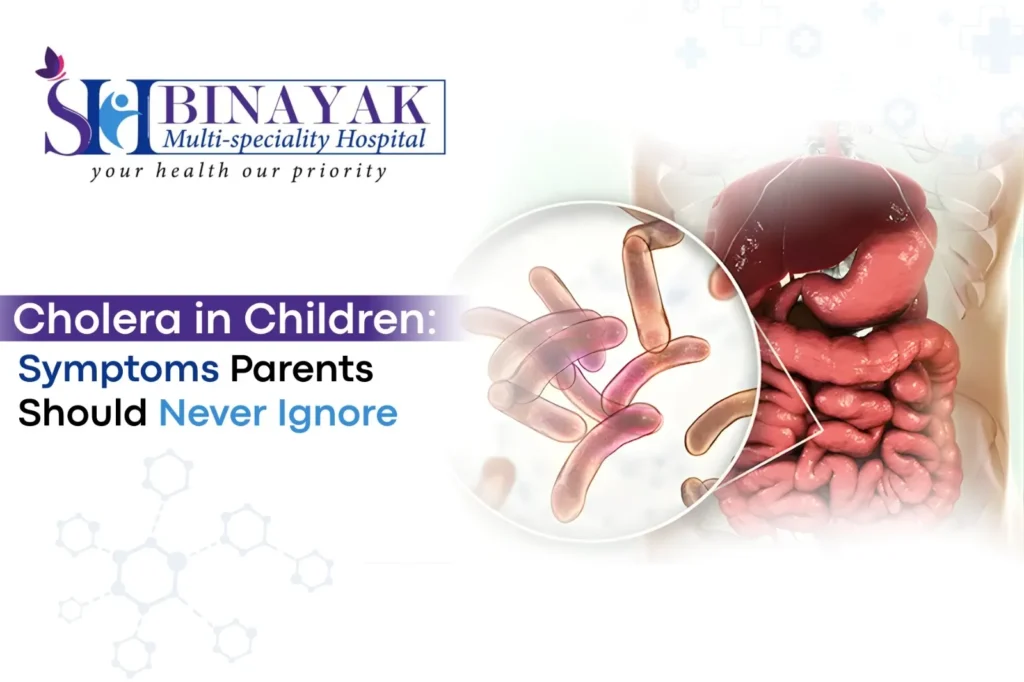
When a child suddenly develops severe diarrhea, vomiting, weakness, or signs of dehydration, many parents assume it is just a stomach infection that will pass on its own. But in some cases, these symptoms may point to a much more dangerous condition—Cholera in Children. This infection can progress rapidly and, if left untreated, may become life-threatening within hours due to severe fluid loss.
At S.H. Binayak, recognized by many families as the Best Multispeciality Hospital in North Kolkata, we believe that awareness is one of the strongest tools parents have. Understanding the warning signs of Cholera in Children can help ensure timely treatment and better outcomes.
In this detailed guide, we will explain what cholera is, how it affects children, the symptoms parents should never ignore, treatment options, prevention strategies, and when to seek emergency medical care.
Cholera is an acute diarrheal illness caused by the bacterium Vibrio cholerae. It usually spreads through contaminated food or water. The disease primarily affects the intestines and causes sudden, profuse watery diarrhea, which can quickly lead to dehydration.
Although cholera can affect people of all ages, Cholera in Children can be particularly dangerous because children lose fluids and electrolytes faster than adults. Their smaller body size and lower fluid reserves make them more vulnerable to serious complications.
In areas where sanitation and clean drinking water may be inconsistent, awareness about Cholera in Children becomes even more important.
Children are not just “small adults.” Their bodies react differently to infections and dehydration. A child suffering from cholera can become weak, lethargic, and critically dehydrated in a very short period of time.
Here’s why Cholera in Children is especially concerning:
At the Best Multispeciality Hospital in North Kolkata, pediatricians often emphasize that early recognition of symptoms is the key to preventing complications.
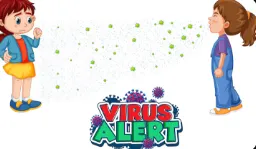
Understanding how cholera spreads can help parents protect their children better.
Children are often more exposed because they may eat food outside, forget to wash their hands, or consume unsafe water while playing or traveling.
This is why awareness and prevention of Cholera in Children are so important for every household.
Recognizing the symptoms early can save a child’s life. The symptoms of Cholera in Children may start suddenly and worsen very quickly.
Below are the signs every parent should watch out for.
This is the most common and most important symptom of cholera.
The diarrhea in cholera is often described as:
Unlike mild stomach upset, cholera diarrhea can cause the child to lose dangerous amounts of water in a short time.
If your child is having repeated watery stools, do not ignore it. This is one of the earliest and most serious signs of Cholera in Children.
Vomiting often accompanies cholera and worsens dehydration. Even if the child is trying to drink fluids, vomiting may prevent the body from retaining them.
Parents should be especially alert if:
Repeated vomiting in a child with diarrhea is never something to take lightly. At the Best Multispeciality Hospital in North Kolkata, prompt evaluation is recommended when these symptoms appear together.
Dehydration is the most dangerous complication of Cholera in Children. In fact, many of the life-threatening effects of cholera are actually due to fluid and electrolyte loss.
These symptoms require immediate medical attention. If your child is showing these signs, do not delay hospital care.
Children with cholera often become weak because their body loses not just water, but also essential salts like sodium, potassium, and chloride.
A child may:
This weakness can progress quickly, making Cholera in Children a medical emergency if not treated in time.
Loss of electrolytes can cause painful muscle cramps, especially in the legs and abdomen.
Your child may complain of:
While cramps alone may not always indicate cholera, when combined with diarrhea and vomiting, they become an important clue.
In babies and very young infants, one subtle but important sign of dehydration is a sunken soft spot (fontanelle) on the head.
If an infant has:
…it may suggest severe dehydration due to Cholera in Children, and urgent medical care is necessary.
A child who is not urinating enough may be dangerously dehydrated.
Parents should be cautious if:
This is a major red flag in Cholera in Children and should not be ignored.
As dehydration worsens, the body tries to compensate by increasing the heart rate and breathing rate.
You may notice:
These are signs that the body is under stress and may be moving toward shock. This is an emergency.
In severe cases, dehydration and electrolyte imbalance can affect the brain.
Parents should immediately seek medical care if a child:
This is one of the most dangerous stages of Cholera in Children and requires immediate hospitalization.
Also Read: Smartphone Anxiety: Mental Health Tips for India’s AI Gen
One of the most frightening things about Cholera in Children is how quickly it can worsen. A child may seem mildly ill in the morning and become severely dehydrated by evening if fluid losses are not replaced properly.
This is why waiting “to see if it gets better tomorrow” can be risky.
At the Best Multispeciality Hospital in North Kolkata, parents are encouraged to seek help early rather than waiting for symptoms to become severe.
If you suspect Cholera in Children, the first priority is to begin fluid replacement while arranging medical care.
ORS can be lifesaving in Cholera in Children, but it does not replace medical evaluation if symptoms are severe.
You should seek urgent medical attention if your child has:
If your child shows any of these symptoms, do not delay. Timely care at the Best Multispeciality Hospital in North Kolkata can make a critical difference.
Doctors usually diagnose cholera based on:
In outbreak settings or suspicious cases, laboratory tests may be done to confirm Vibrio cholerae.
The most urgent part of diagnosis is often assessing how dehydrated the child is, because treatment must begin immediately.
The good news is that Cholera in Children is treatable—especially when recognized early.
This is the cornerstone of treatment.
At the Best Multispeciality Hospital in North Kolkata, pediatric teams carefully monitor children for dehydration, urine output, pulse, blood pressure, and electrolyte balance.
In many cases, zinc may be recommended to help reduce the duration and severity of diarrhea in children.
This can support faster recovery and better gut healing.
Not every child with diarrhea needs antibiotics, but in confirmed or strongly suspected cholera cases, doctors may prescribe them depending on the child’s condition and current treatment guidelines.
Antibiotics should never be given without proper medical advice.
Children need nourishment to recover well.
Doctors may advise:
Stopping food completely is not recommended unless specifically advised.
If Cholera in Children is not treated promptly, it can lead to serious complications such as:
This is why even “just diarrhea” should never be underestimated when it is profuse and accompanied by vomiting or weakness.
Prevention is always better than cure. Since cholera usually spreads through contaminated food and water, good hygiene habits can go a long way in protecting children.
Teach children to wash hands:
Use clean water to wash produce before eating or cooking.
Proper sanitation reduces the spread of bacteria and protects the whole family.
Avoid letting children play in dirty water or near sewage-contaminated areas.
By following these simple steps, families can reduce the risk of Cholera in Children significantly.
One of the most important things parents should remember is this: cholera is dangerous, but highly manageable when treated early.
The biggest mistake is delaying treatment because the child “might get better.” In many cases, the difference between a quick recovery and a critical emergency is just a few hours.
That is why prompt evaluation at the Best Multispeciality Hospital in North Kolkata is essential if your child develops severe diarrhea, vomiting, or dehydration.
At S.H. Binayak, we understand how stressful it can be when a child suddenly becomes ill. Our experienced medical team is equipped to handle pediatric emergencies with compassion, speed, and expert care.
As the Best Multispeciality Hospital in North Kolkata, we are committed to offering:
Whether it is a mild concern or a serious emergency, early evaluation can make all the difference.

Yes, children can be affected by cholera, especially if they consume contaminated food or water.
The first major sign is usually sudden, watery diarrhea.
Mild dehydration can be managed initially with ORS, but medical evaluation is important, especially if symptoms are severe.
If your child has repeated watery diarrhea, vomiting, weakness, sunken eyes, or reduced urination, go to the hospital immediately.
Yes, safe drinking water, proper handwashing, food hygiene, and sanitation can greatly reduce the risk.
Cholera in Children is not something parents should ignore. What may begin as watery diarrhea can quickly become a dangerous medical emergency due to dehydration and electrolyte loss.
The most important symptoms parents should never ignore include:
If your child shows any of these signs, seek immediate medical attention.
At S.H. Binayak, trusted by many as the Best Multispeciality Hospital in North Kolkata, we are dedicated to helping children recover safely and quickly with the right treatment at the right time.
When it comes to Cholera in Children, acting early can save lives.

Why Is Geriatric Medicine Vital for Holistic Senior Health?
14 February, 2026

What to Expect Before and After Cancer Surgery?
8 October, 2025

What is the Significance of Cancer Staging?
8 October, 2025